
PARLA KNOWLEDGE CENTRE
The knowledge behind the right choice.
Pump and process technologies through worked selection examples, annotated tables and practical guides.
30 technical guides · Turkish and English30 guides
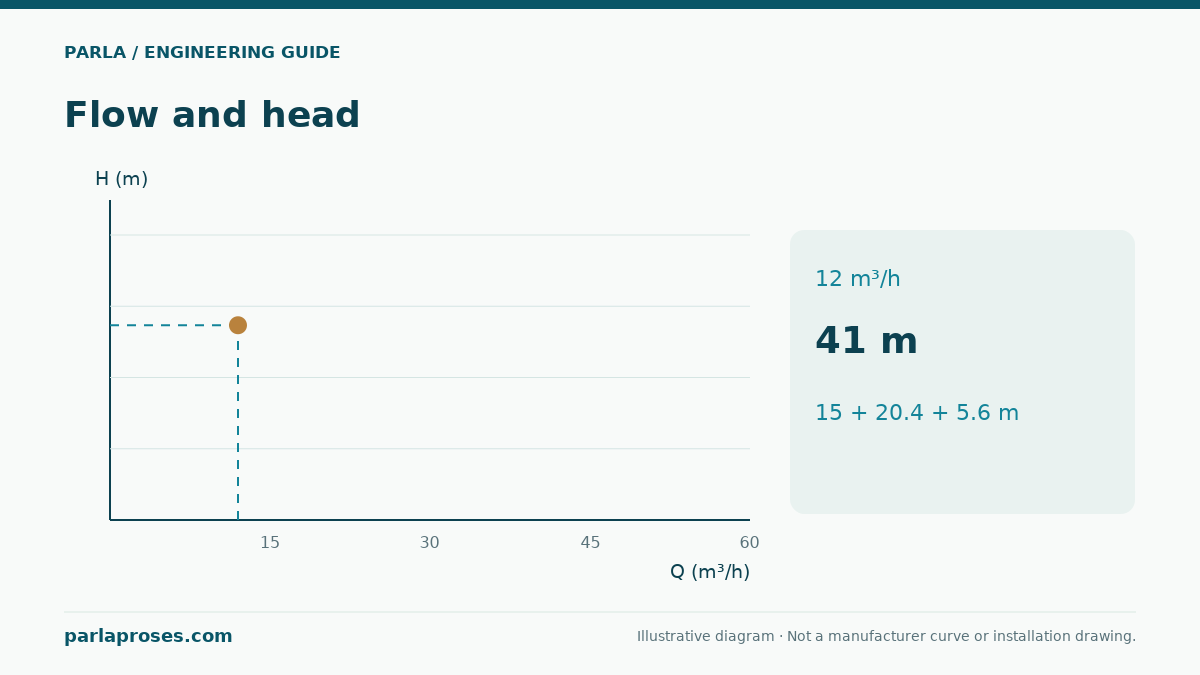
Pump selection: how to determine flow and head
A practical selection guide that combines demand, elevation, terminal pressure and pipe losses at one operating point.
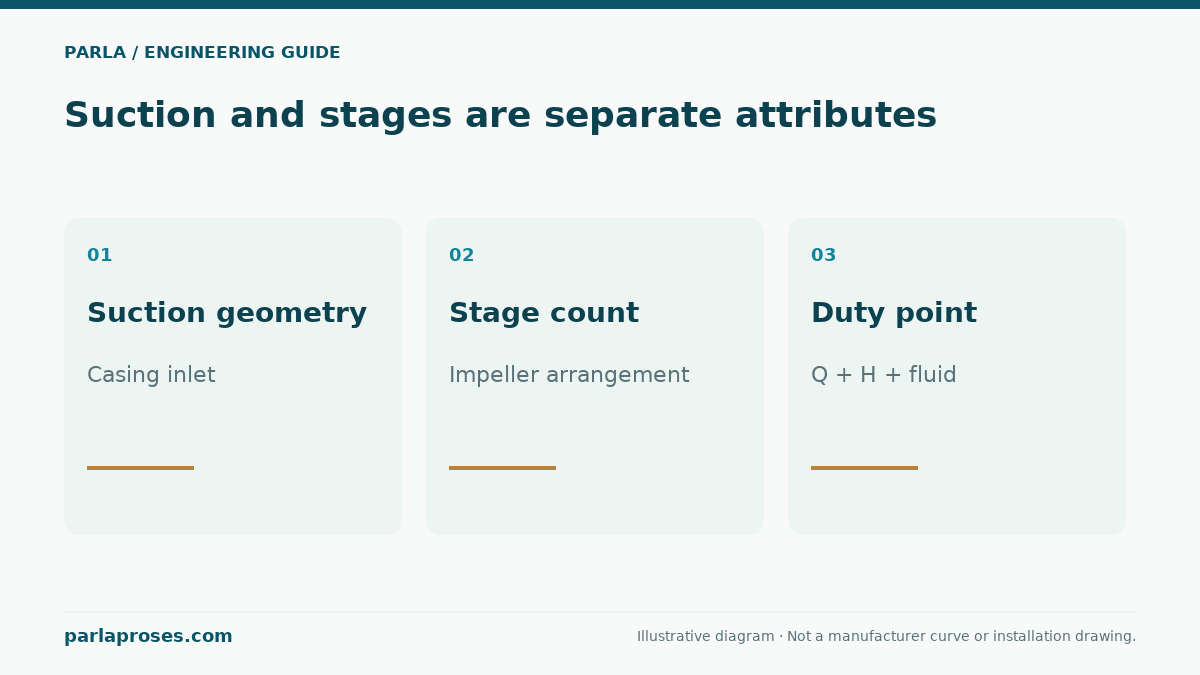
How to compare end-suction and multistage pumps
Separate suction geometry from stage count, then assess pump construction against flow, pressure, service space and control needs.
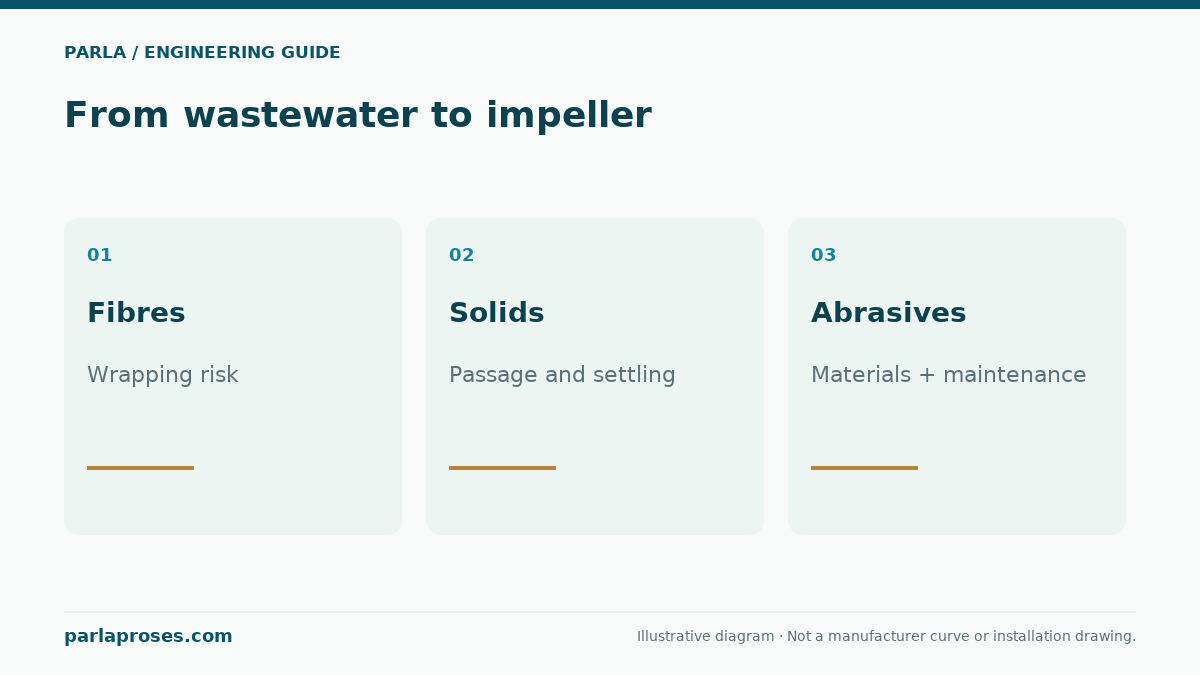
Wastewater pump impeller selection: solids, fibres and operating cycles
Assess wastewater content, impeller construction, rising main and starting cycles together instead of relying on free-passage size alone.
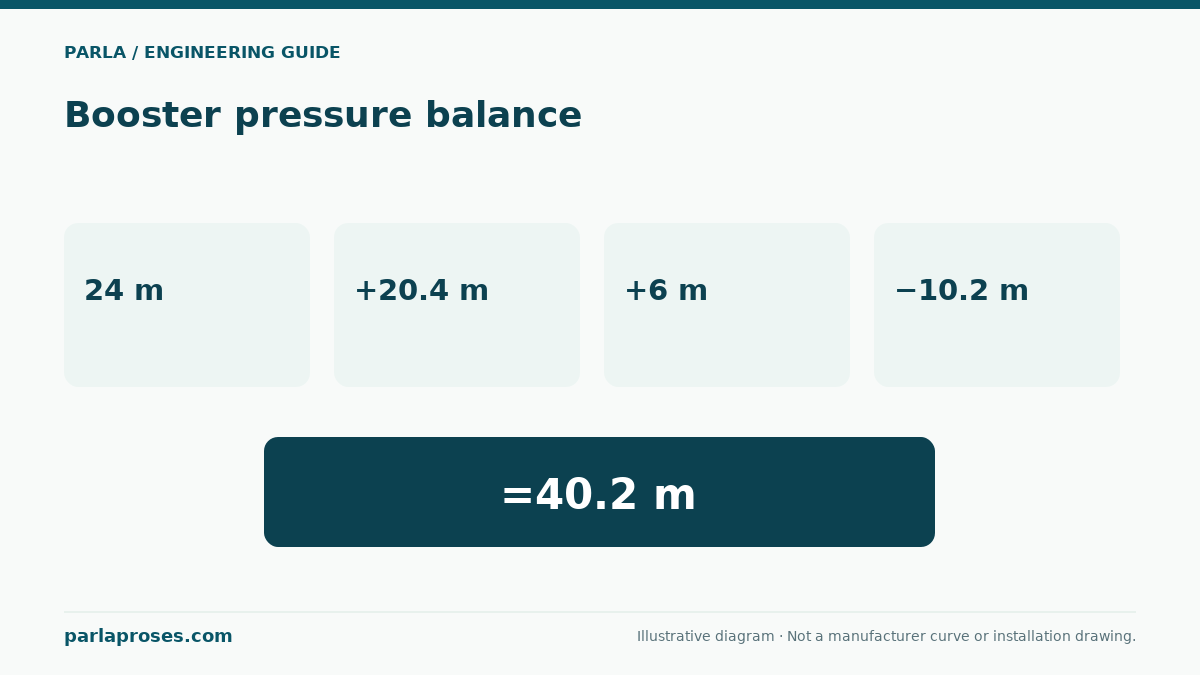
Constant-pressure booster systems: selecting sensors, pumps and tanks
An illustrated guide to matching variable demand, the critical outlet and pressure vessel for a constant-pressure booster.
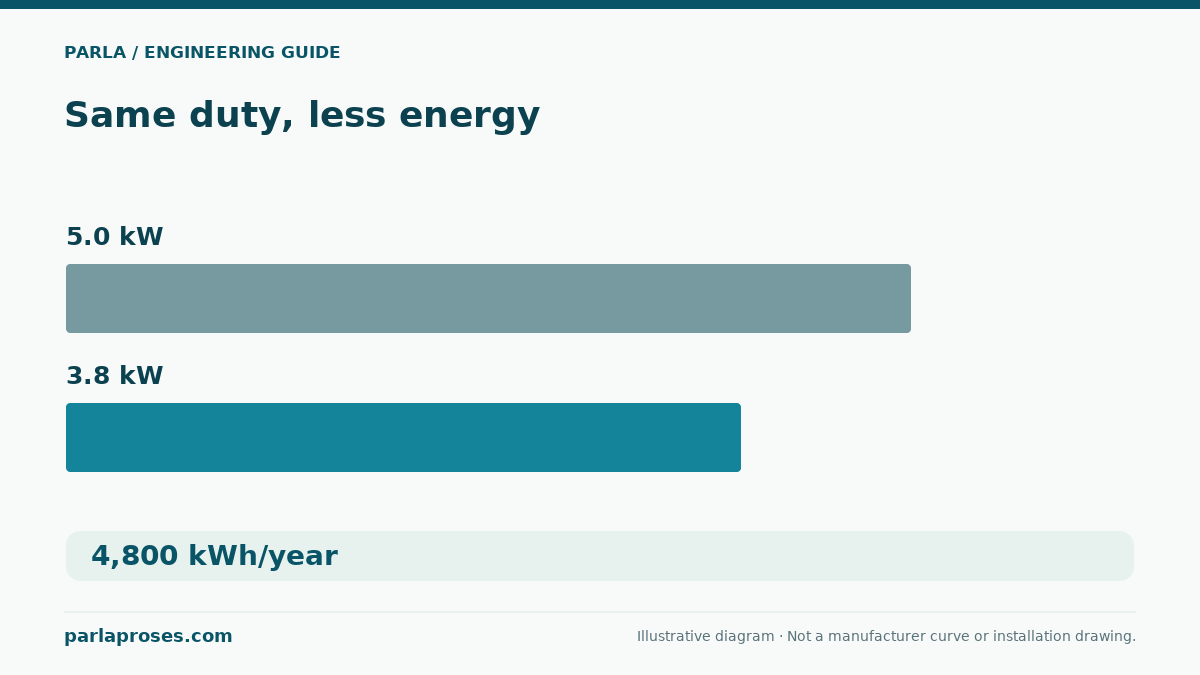
Pump energy efficiency: from duty point to annual consumption
Calculate the effect of flow, head, operating hours and controls on consumption, then check the decision with operating data.
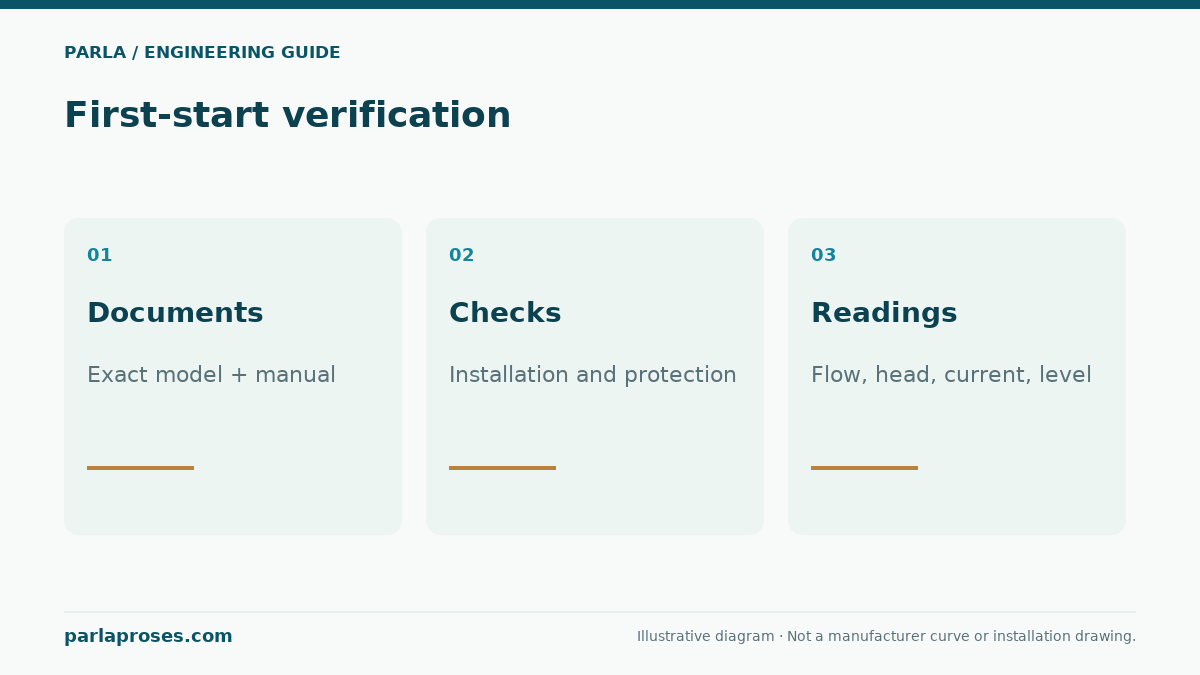
Pump commissioning preparation: what should be measured at first start?
A commissioning plan connecting mechanical, electrical and hydraulic prechecks with the actual duty point and a pressure example.
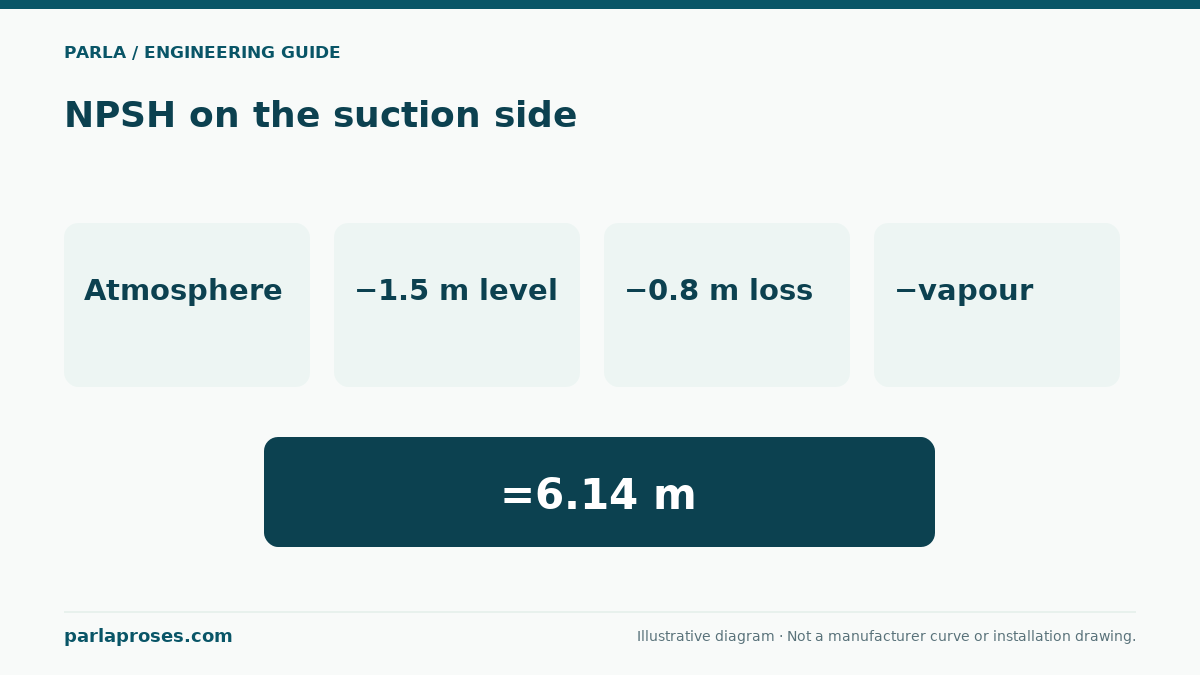
Pump NPSH and cavitation: calculating suction conditions
Combine temperature, atmospheric pressure and suction losses in one calculation, then compare available NPSH with the pump requirement.
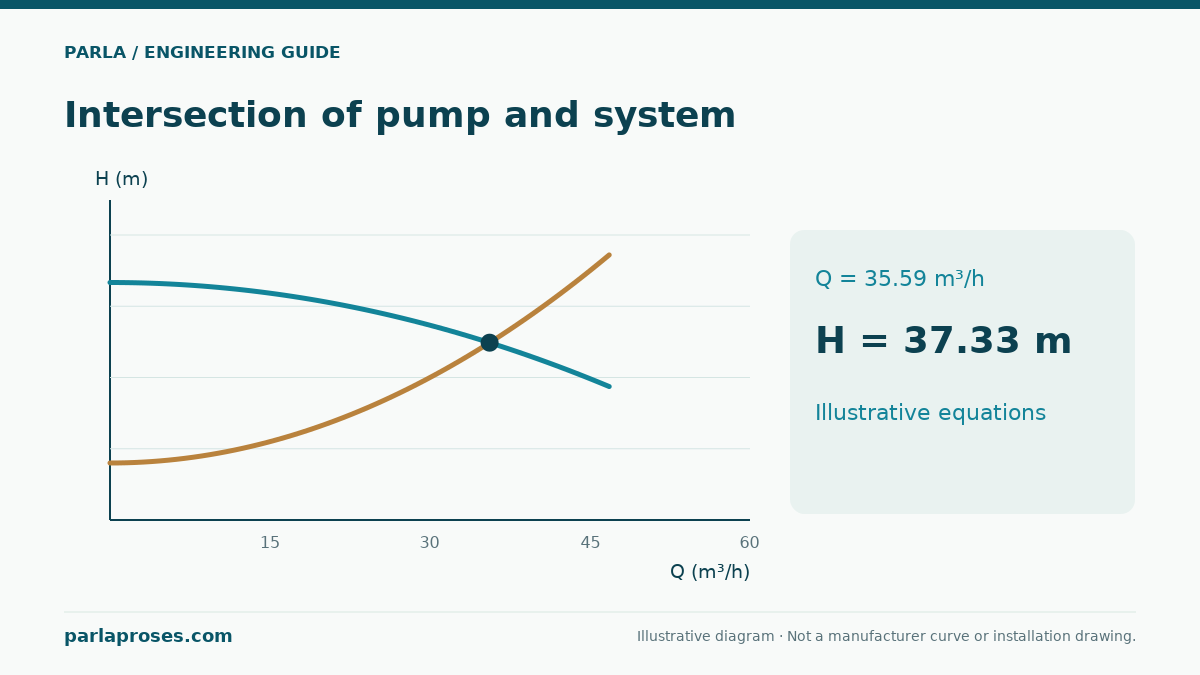
Pump and system curves: how to find the actual duty point
Read the pump curve alongside static head and installation losses, and calculate how level, valve and pipe changes affect actual flow.
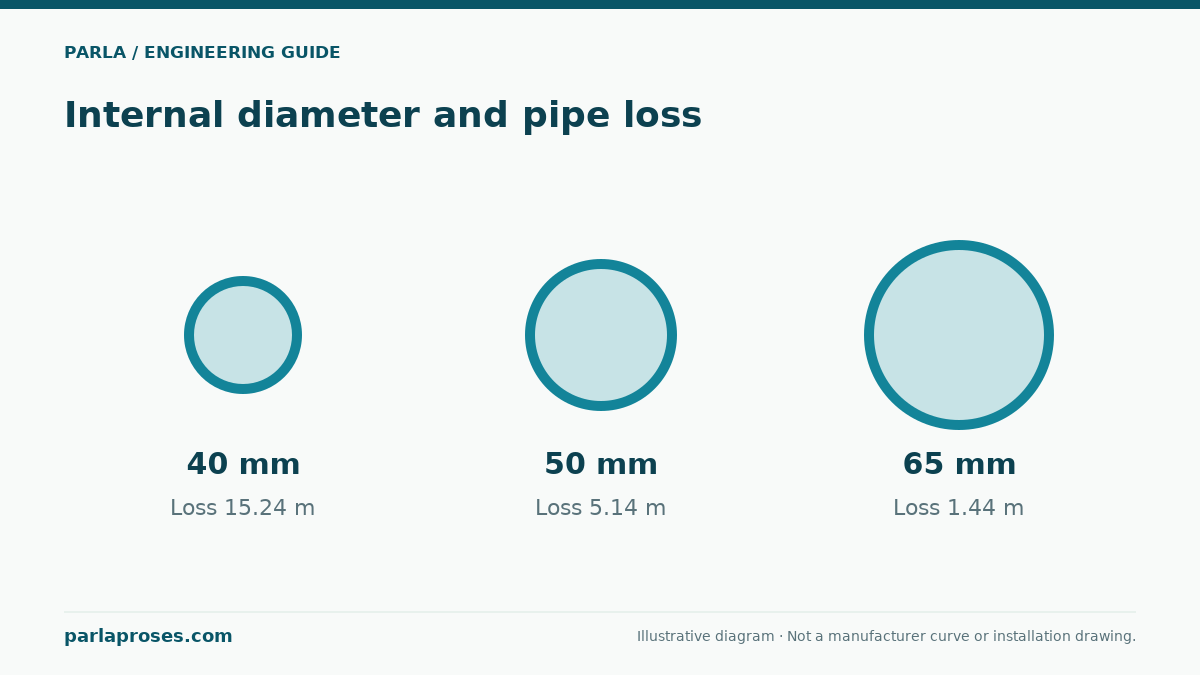
Pipe diameter, velocity and pressure loss: a worked selection guide
Compare three actual internal diameters at the same flow, separating pipe and local losses to assess pump head, suction conditions and operating cost.
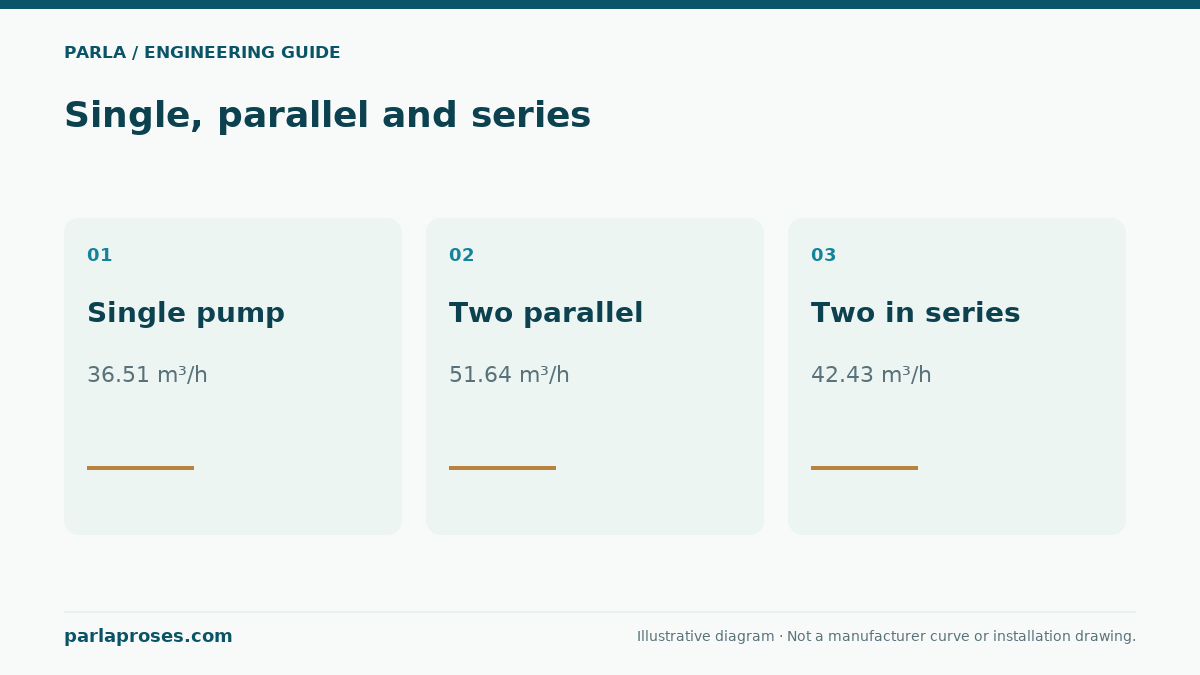
Pumps in parallel or series? Decide with the curves
Two pumps do not simply double flow or head. Calculate the actual duty point where their combined curve meets the system curve.
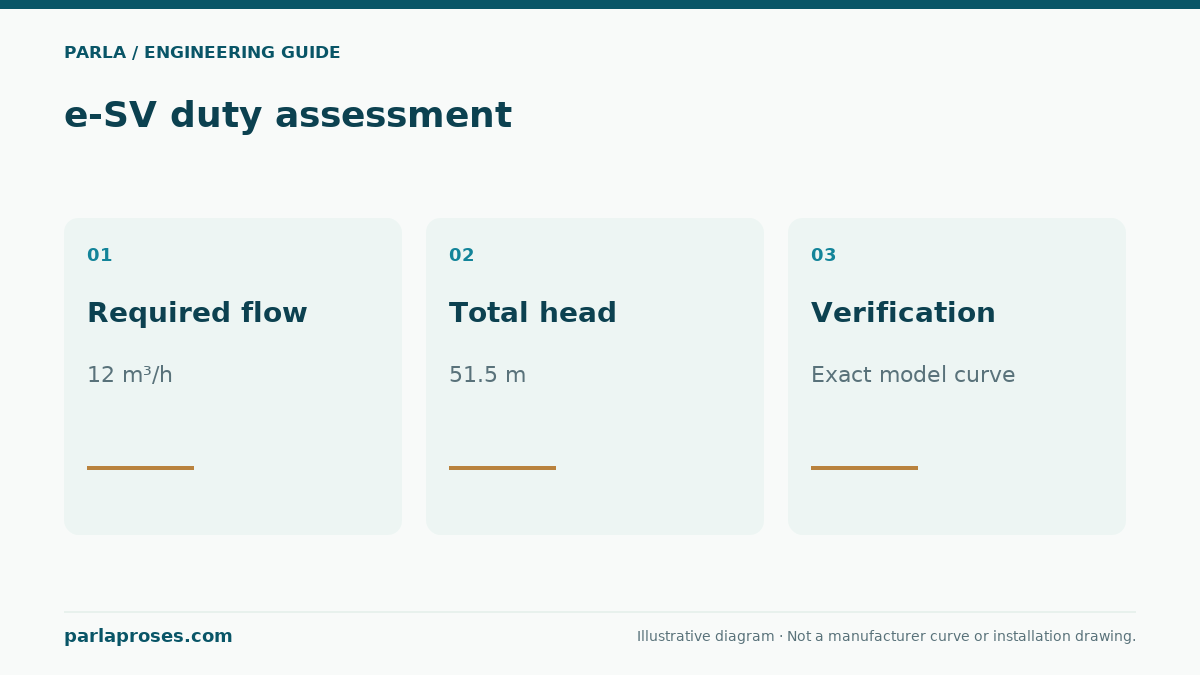
Lowara e-SV selection: data and example for a vertical multistage pump
Do not select from the e-SV family using a single range maximum. Bring flow, system head, NPSH, materials and controls together in a worked example.
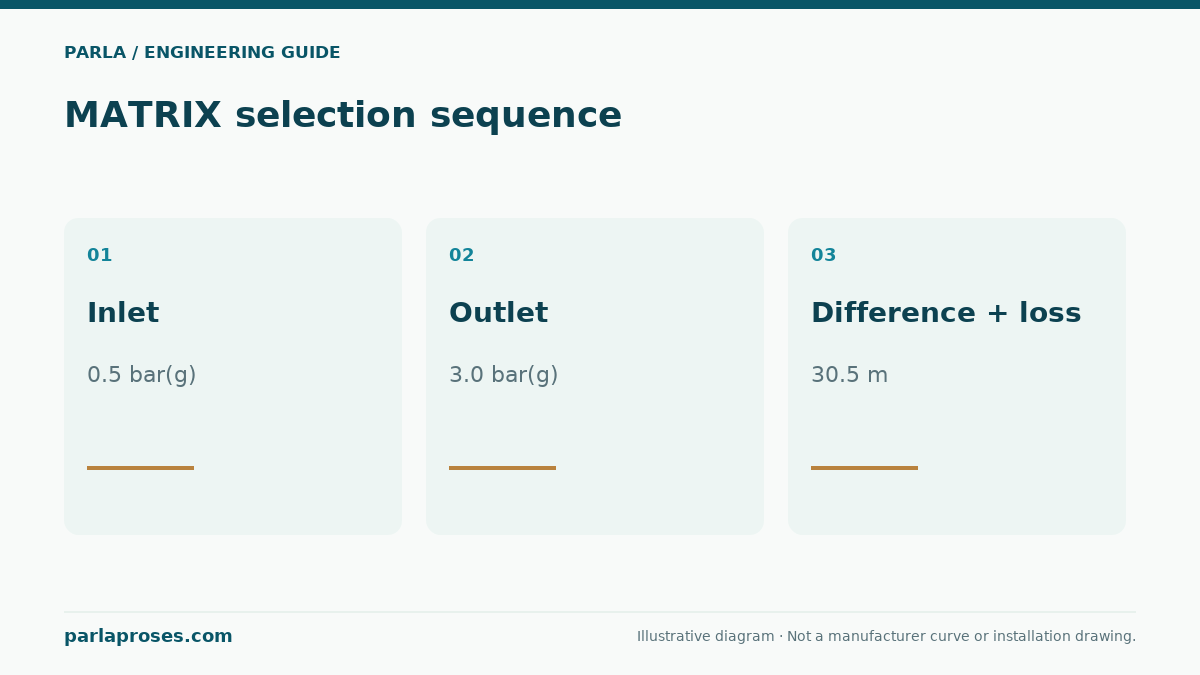
Ebara MATRIX selection: when is a horizontal multistage pump suitable?
Evaluate the MATRIX family at a specific flow and head, not from envelope limits. Use an annotated water-transfer calculation and selection table.
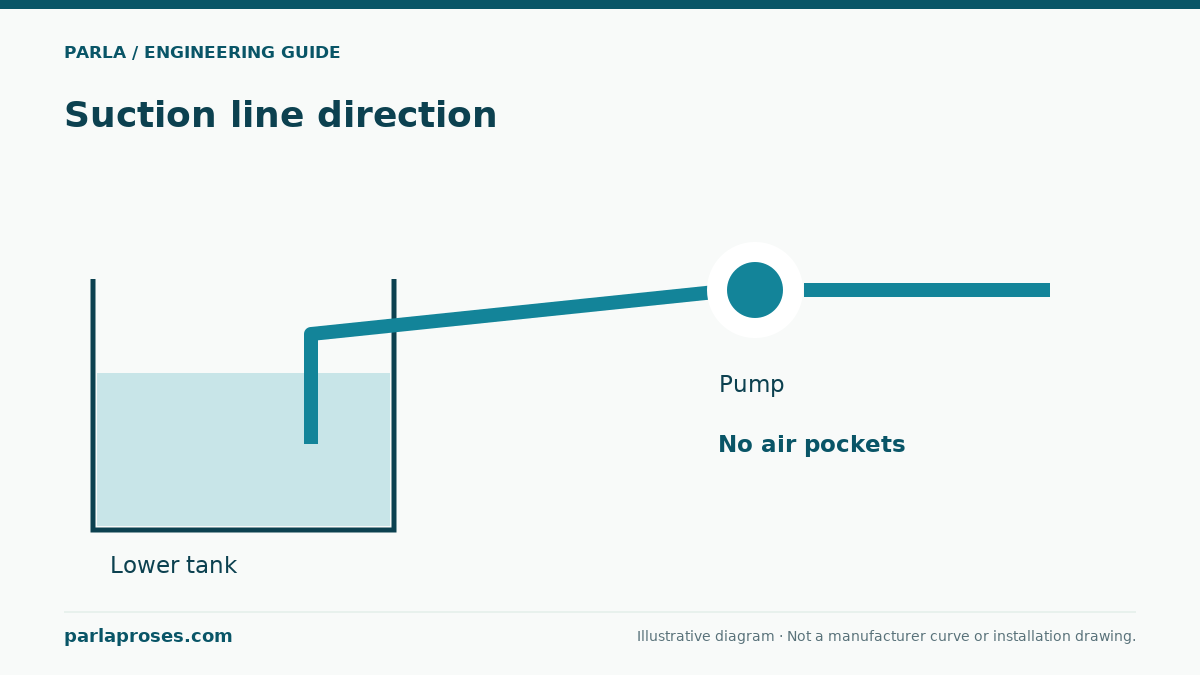
Pump suction piping: air pockets, loss and tightness
Assess suction-pipe rise, connections and total loss at the lowest tank level, then correct an illustrative installation fault.
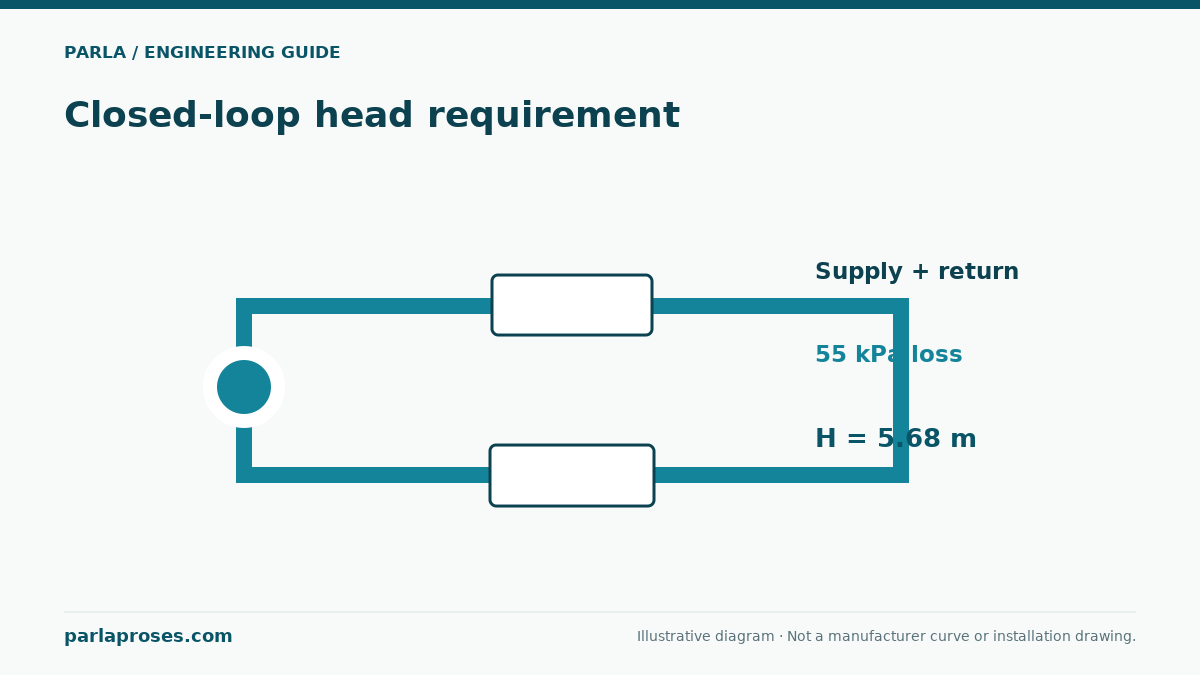
Closed-loop circulator selection: how to determine flow and loss
Building height is not pump head in a filled closed loop. Calculate flow from thermal load and head from the critical circuit in a worked example.
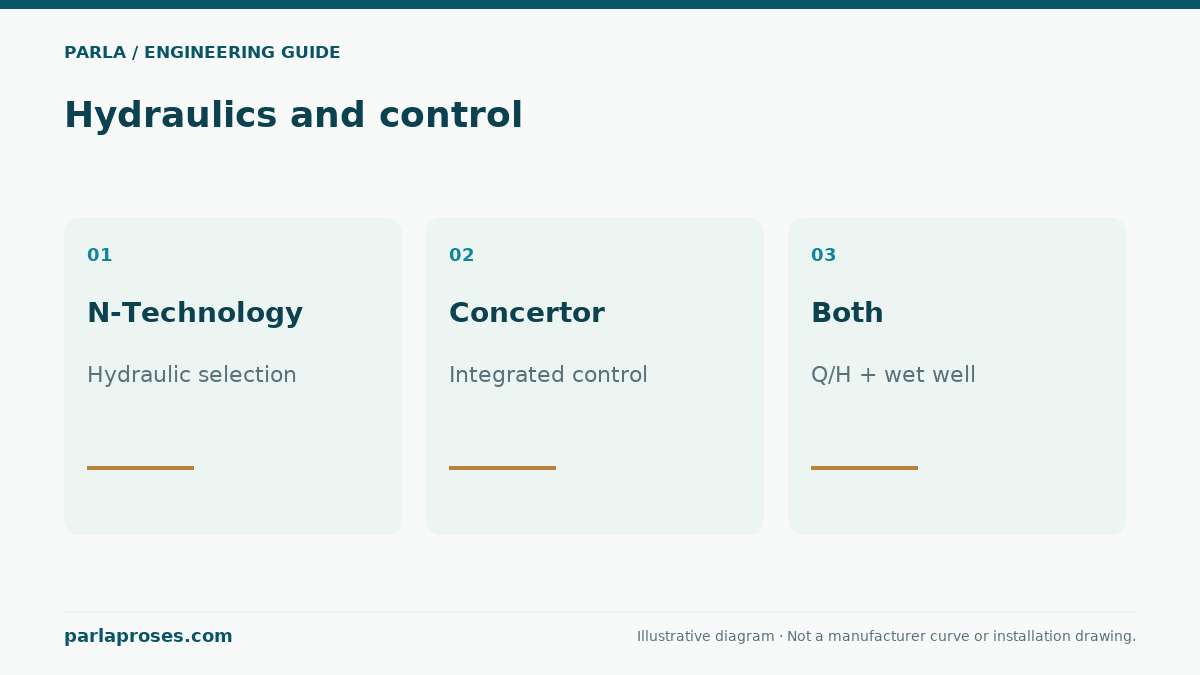
Flygt N and Concertor: choosing for a lift station
Compare N-series and Concertor options by considering wastewater characteristics, duty point and control requirements together.
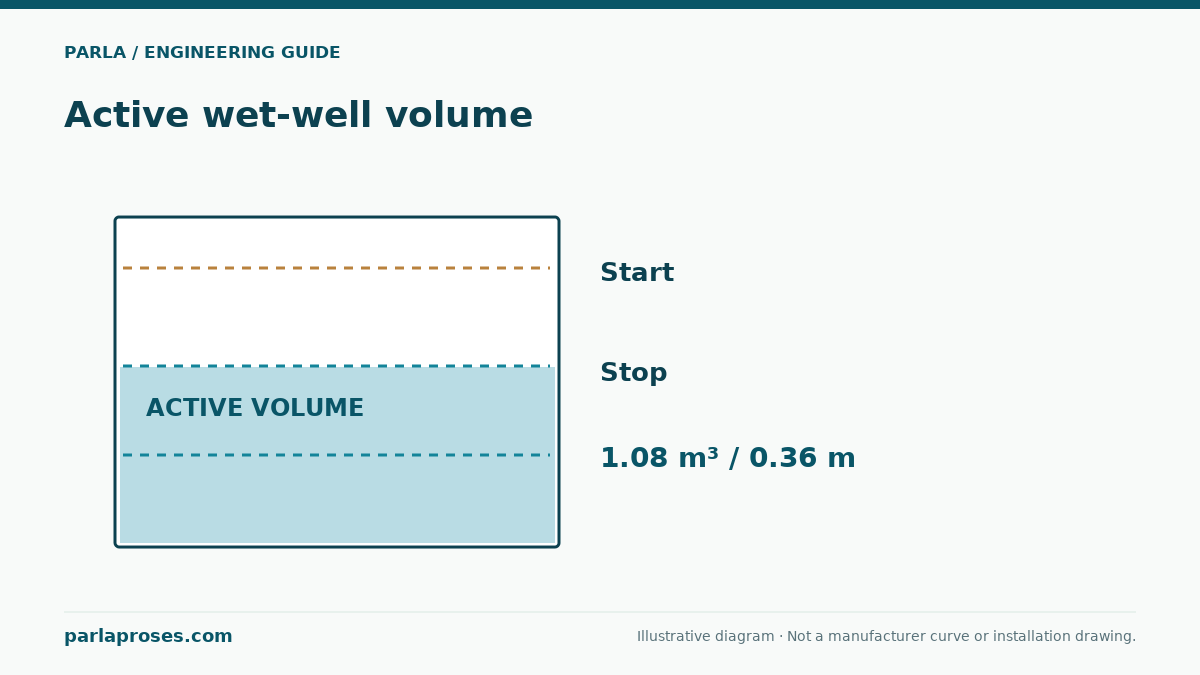
Active volume and level selection for wastewater lift stations
Size the wet well using actual pump flow, permitted starts, minimum water level and the overflow scenario together.
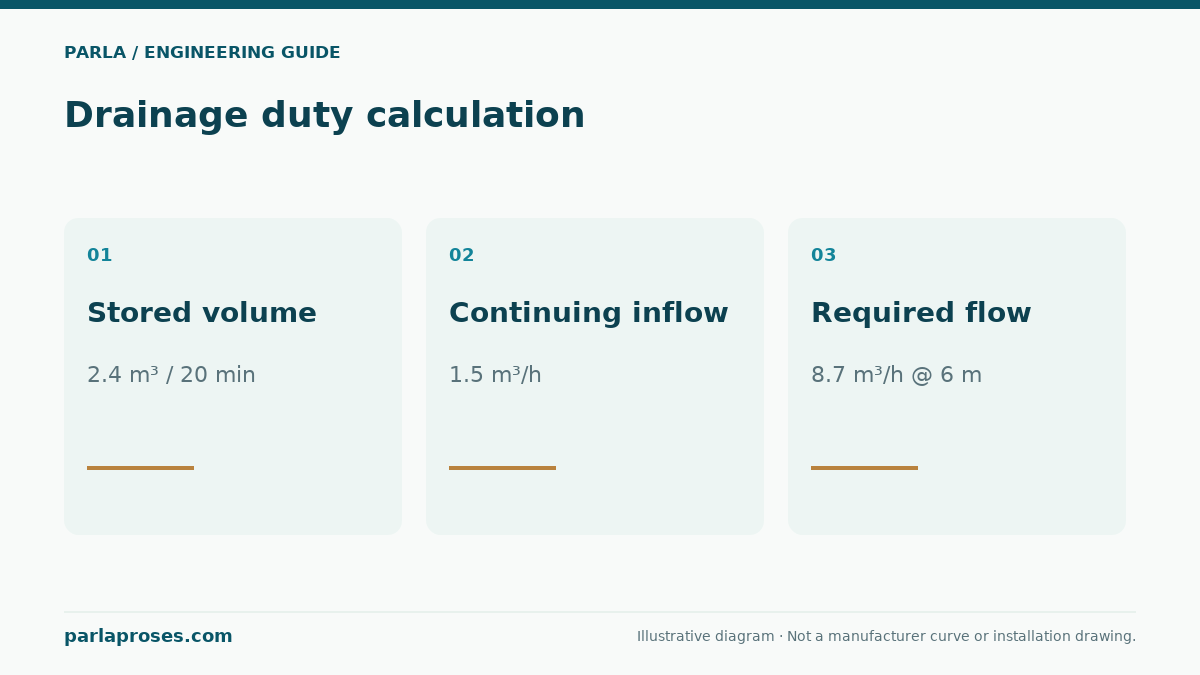
Drainage and wastewater pumps: from water composition to duty point
Compare drainage, dirty-water and wastewater duties through solids characteristics, impeller choice, emptying time and actual head.
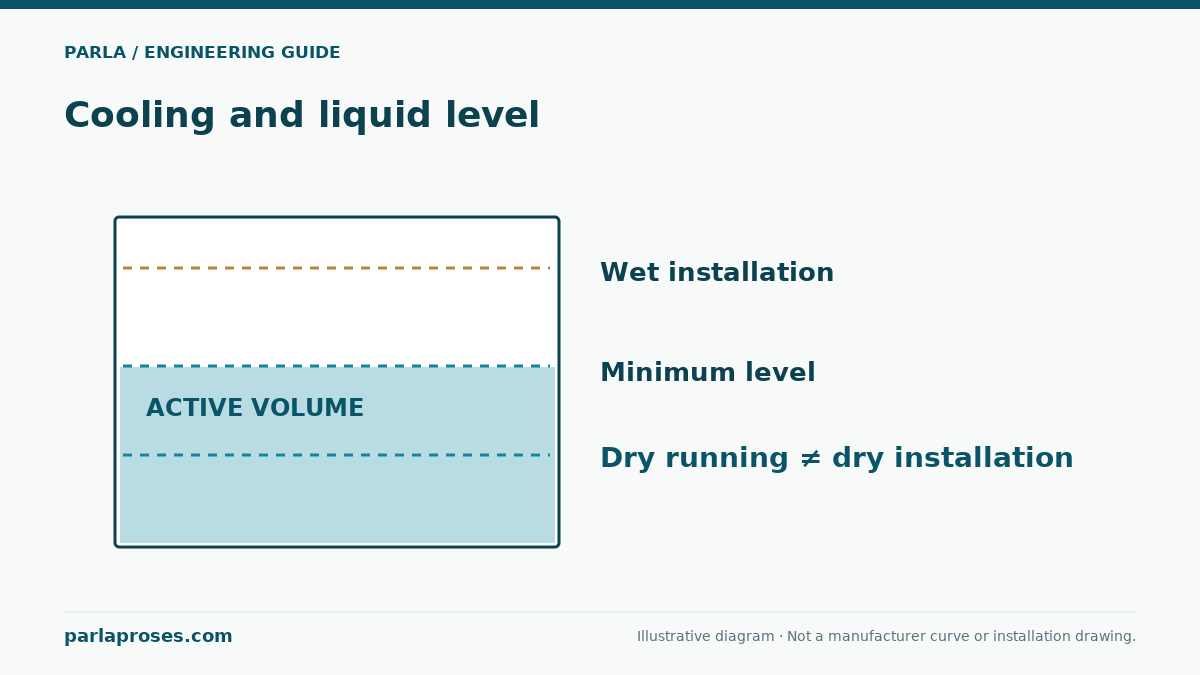
Dry running and cooling in submersible pumps: setting the level limits
A practical guide to stop level, motor cooling and level sensors in submersible wastewater pumps.
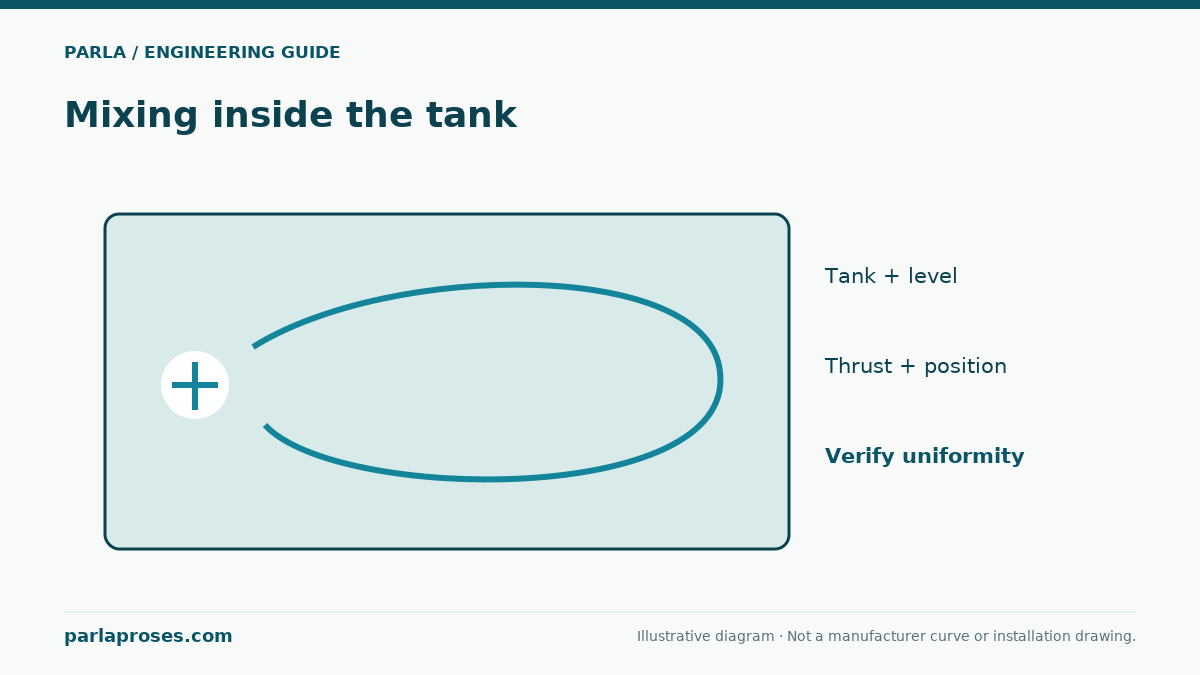
Submersible mixer selection: tank geometry, flow path and suspension
Assess tank sections, sediment, inlet flow and maintenance access instead of choosing a mixer by motor rating alone.
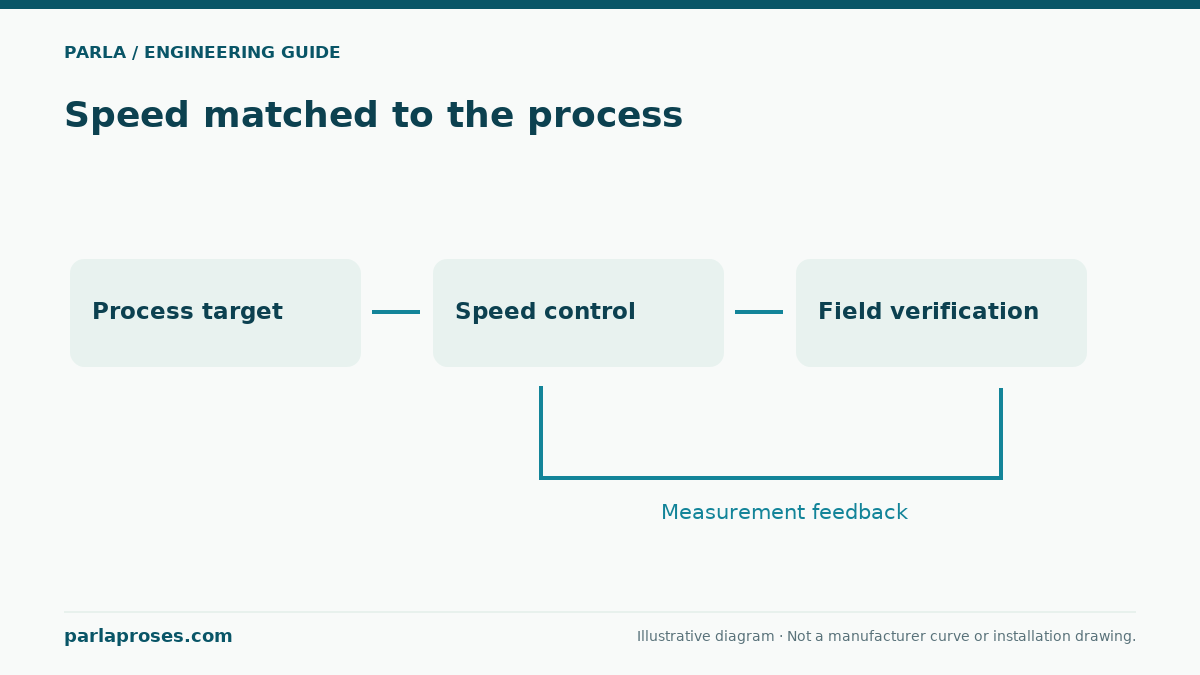
Flygt adaptive mixers: control against process data
Compare adaptive and fixed-speed mixing measurably, tracking process outcomes as well as energy.
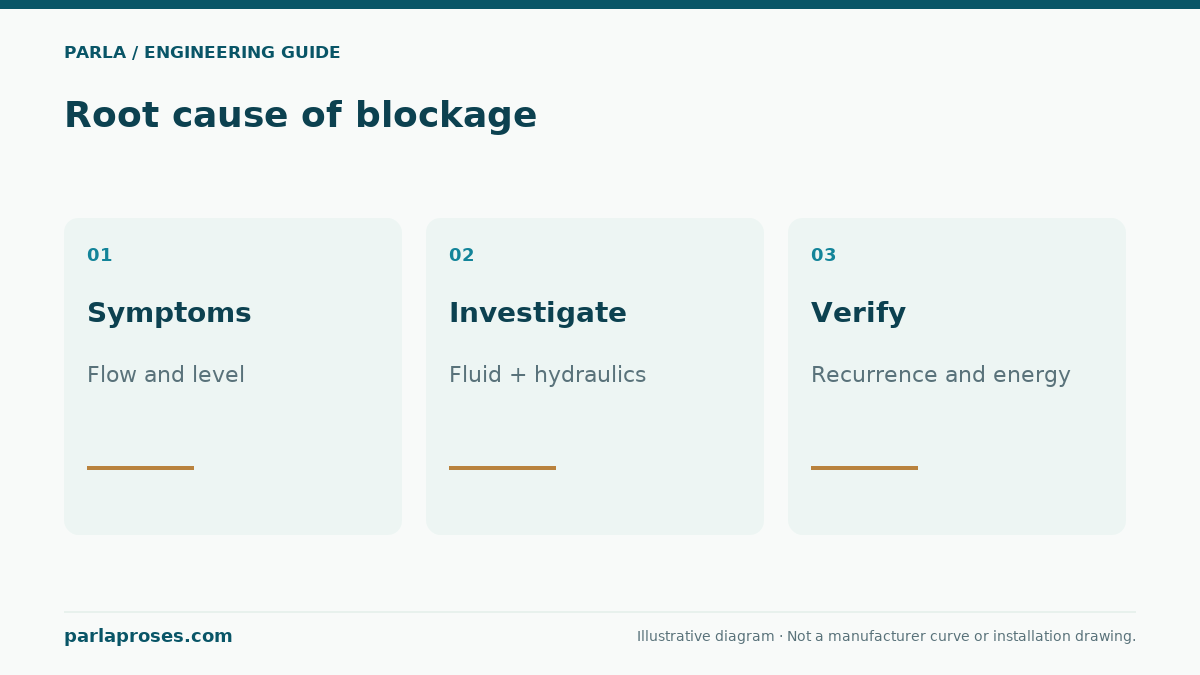
Diagnosing wastewater pump blockage: examine the system before the impeller
Investigate repeated rag and fibre blockages with event records, sump observations and hydraulic measurements.
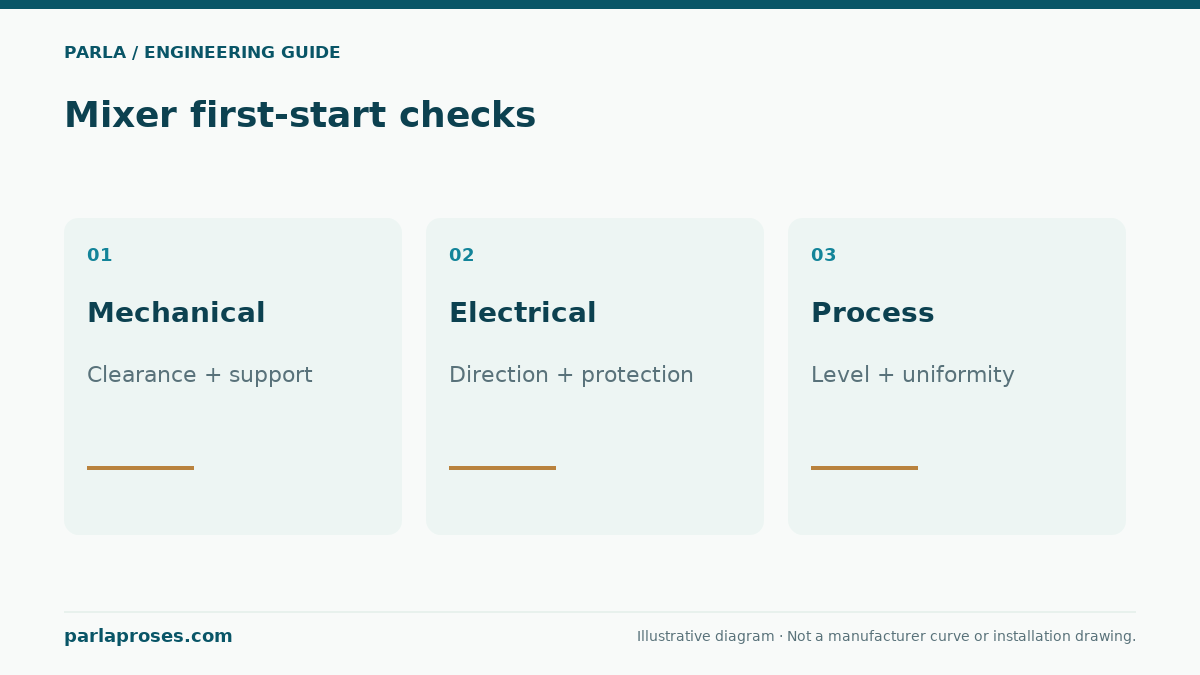
Submersible mixer commissioning checks and acceptance criteria
A site-ready commissioning guide combining electrical, installation, level and process measurements.
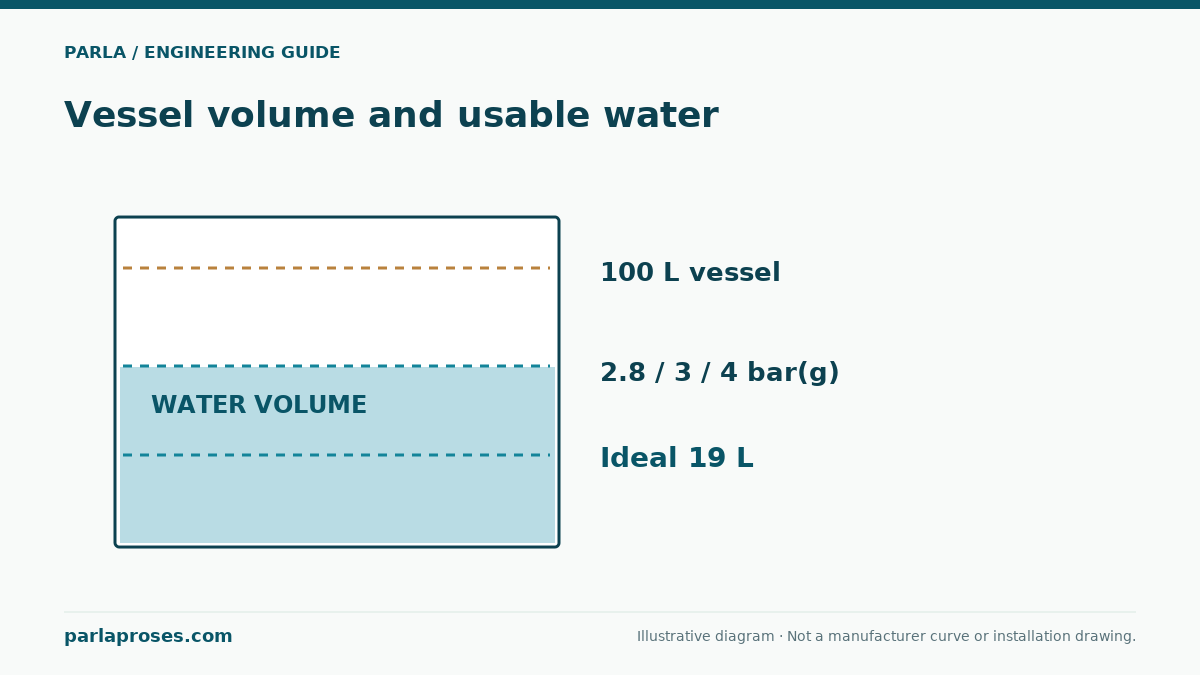
Booster pressure vessels: nominal volume, drawdown and precharge
The litres on a vessel label are not its usable water volume. Calculate precharge, pressure range and pump cycling together.
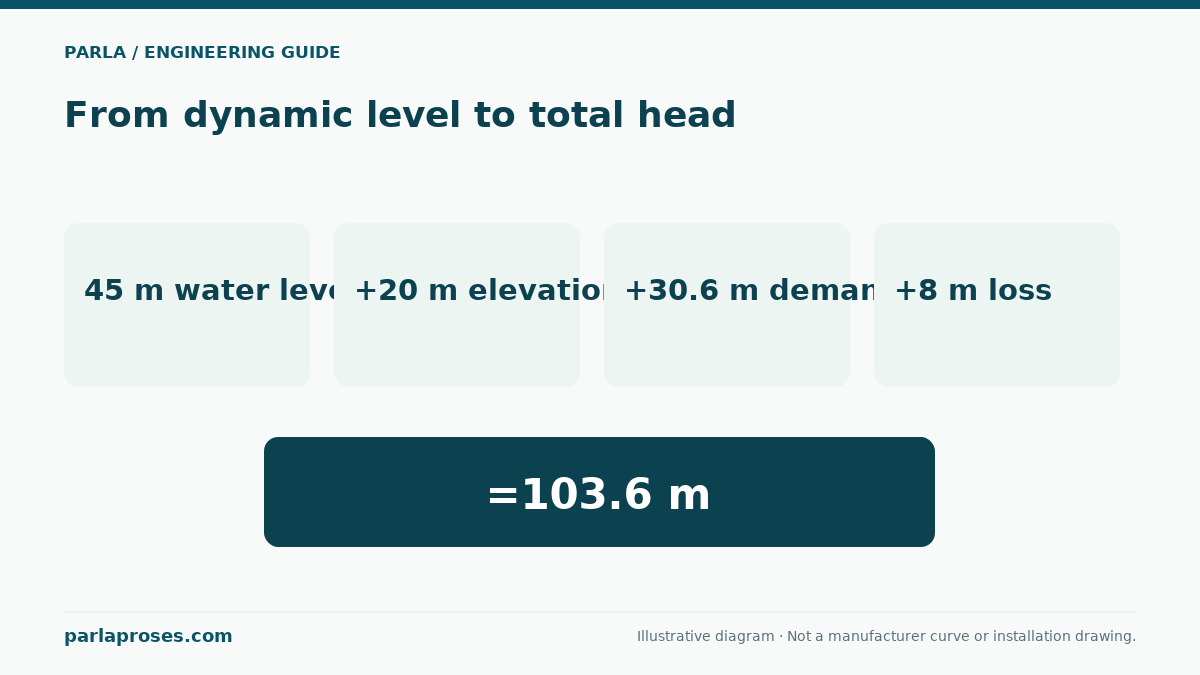
Borehole pump selection: dynamic level, flow and motor
Well depth alone does not determine pump head. Build the duty point from pumping water level, delivery elevation, required pressure and actual pipe losses.
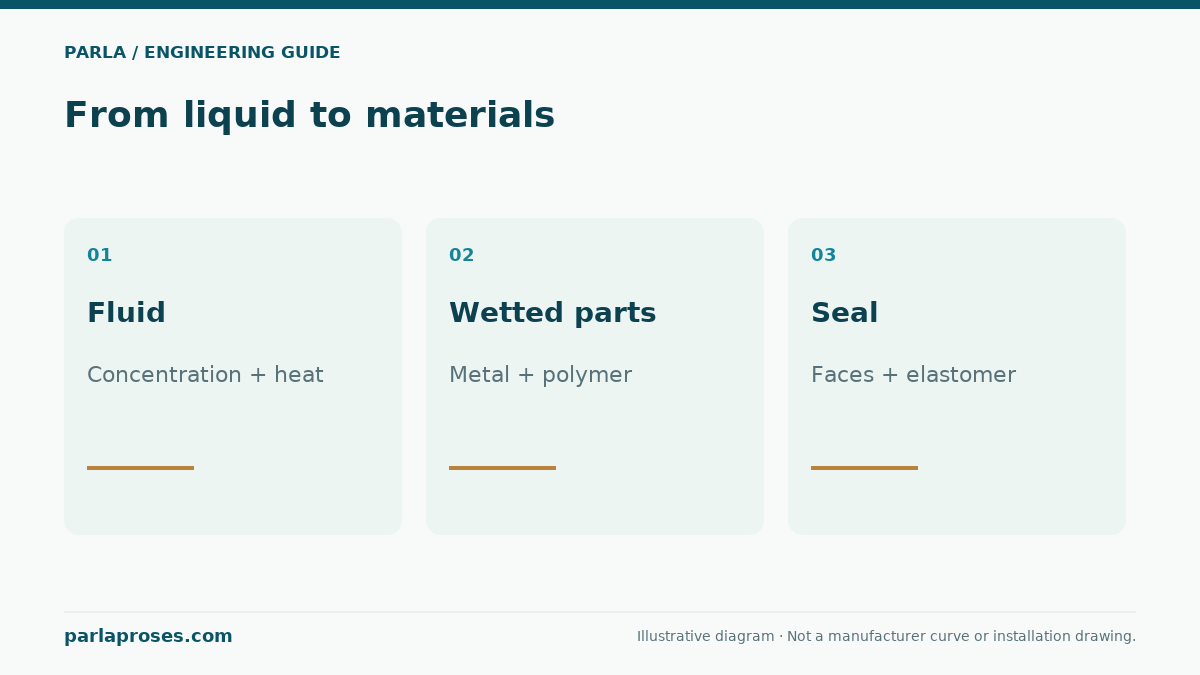
How to assess pump materials against the liquid
A stainless-steel label is not enough. Prepare one liquid specification for casing, impeller, elastomers and shaft seal.
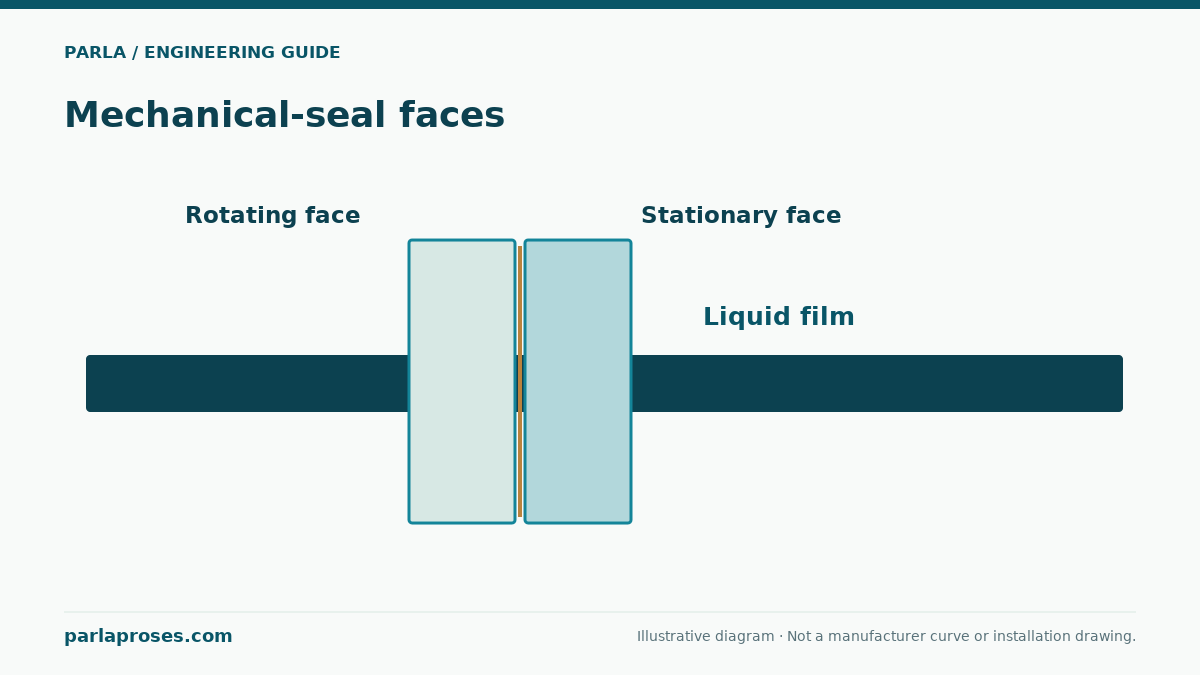
Pump mechanical seal selection: liquid, faces and duty
Do not treat a seal leak as a replacement-parts question alone; review liquid, temperature, pressure and dry-running history.
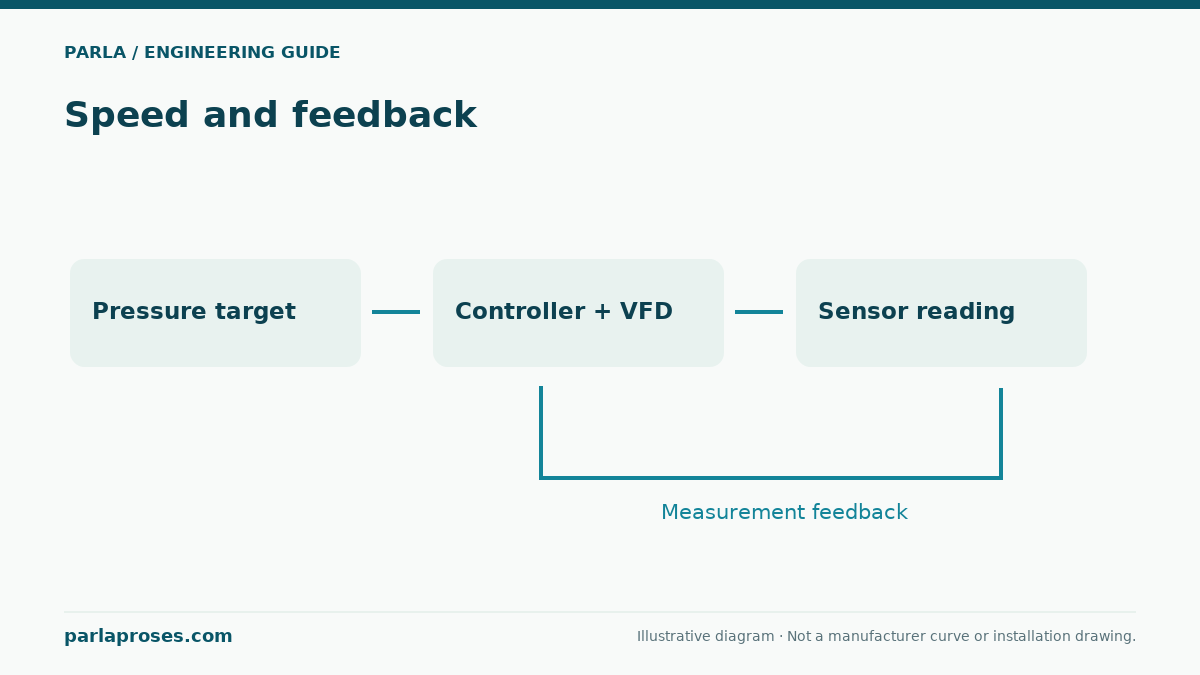
Variable-speed pump control: curve, sensor and limits
Slowing a pump does not deliver equal savings in every system. Assess static head, sensor placement, minimum flow and control stability together.
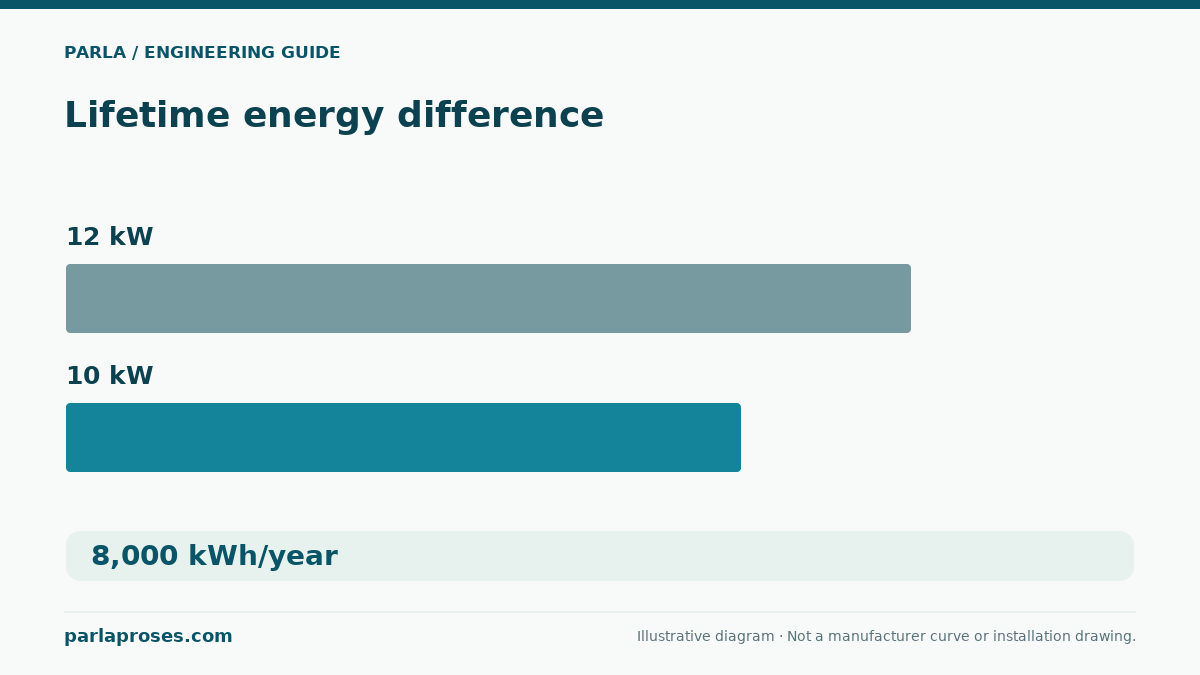
Pump life-cycle cost: calculate beyond purchase price
When pumps differ in price and efficiency, compare annual energy, maintenance and operating hours at the same service level.
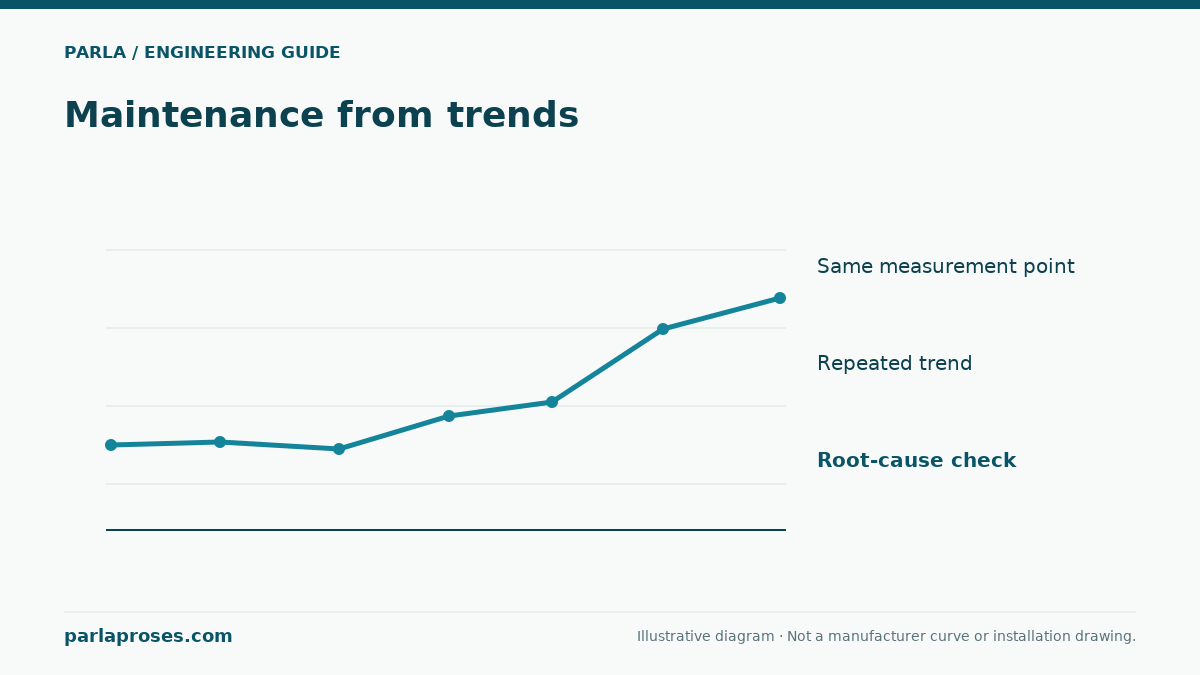
Pump vibration in maintenance planning: from measurement to action
Do not judge vibration from one number. Trend it at the same location with flow, speed, pressure and service history.
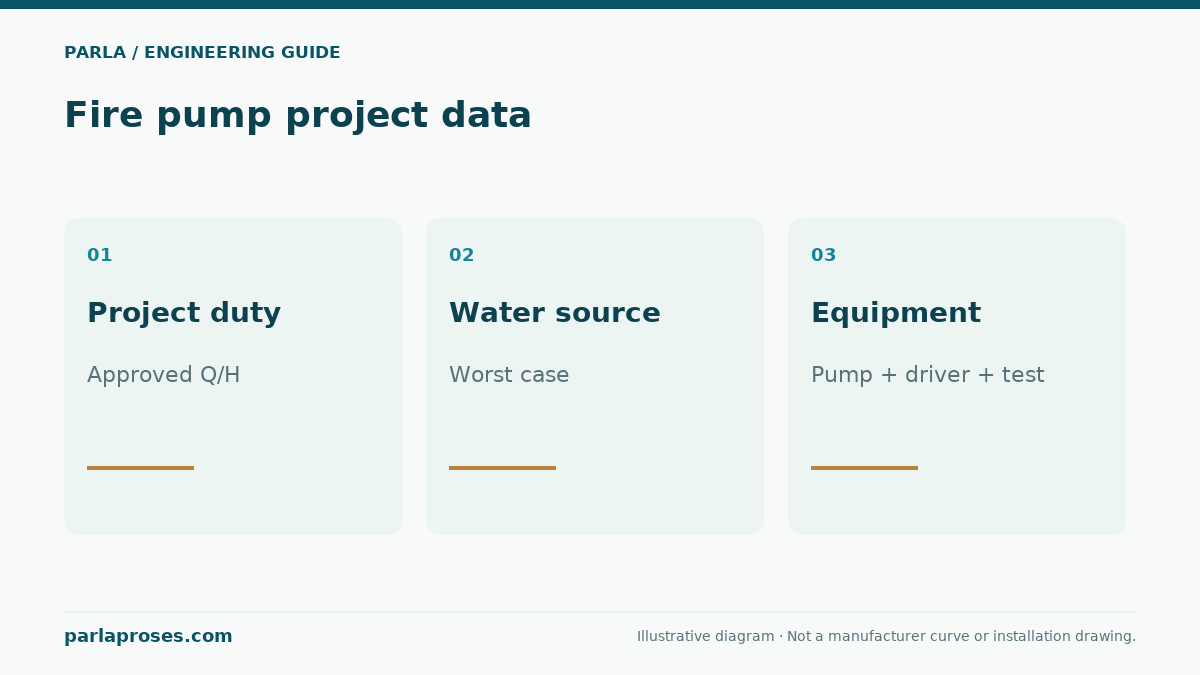
Project information needed for fire pump selection
A fire pump cannot be selected from one ordinary booster pressure number. Assemble the approved hydraulic design, water source and equipment scope.
SOLUTIONS FOR YOUR PROJECT
Let’s engineer the right flow.
Share your requirements. Let’s select the right pump or valve for your application.