Wastewater and Drainage
Flygt N and Concertor: choosing for a lift station
Compare N-series and Concertor options by considering wastewater characteristics, duty point and control requirements together.
AT A GLANCE
- Compare hydraulic duty first, then the control and maintenance scope.
- Assess energy data alongside pumped volume and comparable head.
- Do not treat manufacturer case results as a project guarantee.
Start with the station duty
Comparing Flygt N with Concertor means more than comparing two motor ratings. First define daily inflow, wet-weather peaks, total head and the existing rising main. Then assess fibres, grit, grease and changes in wastewater composition. Duty points at different times of day can be more informative than a single design value.
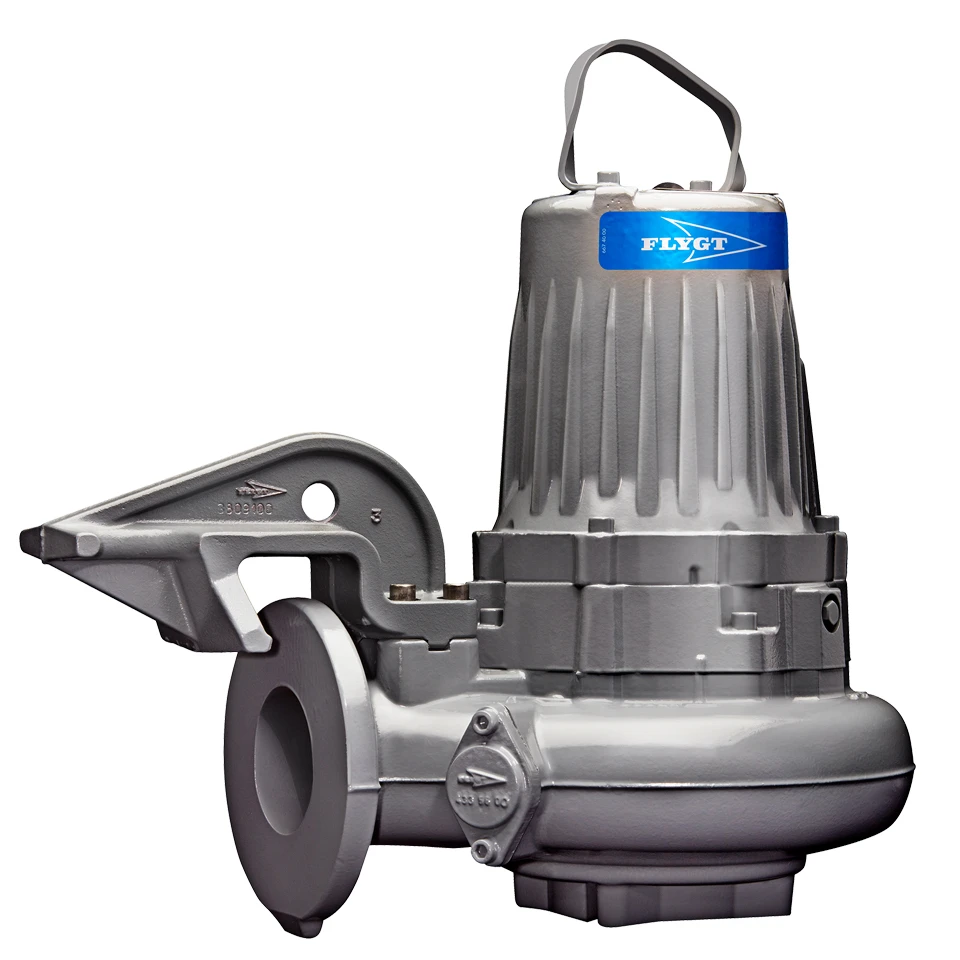
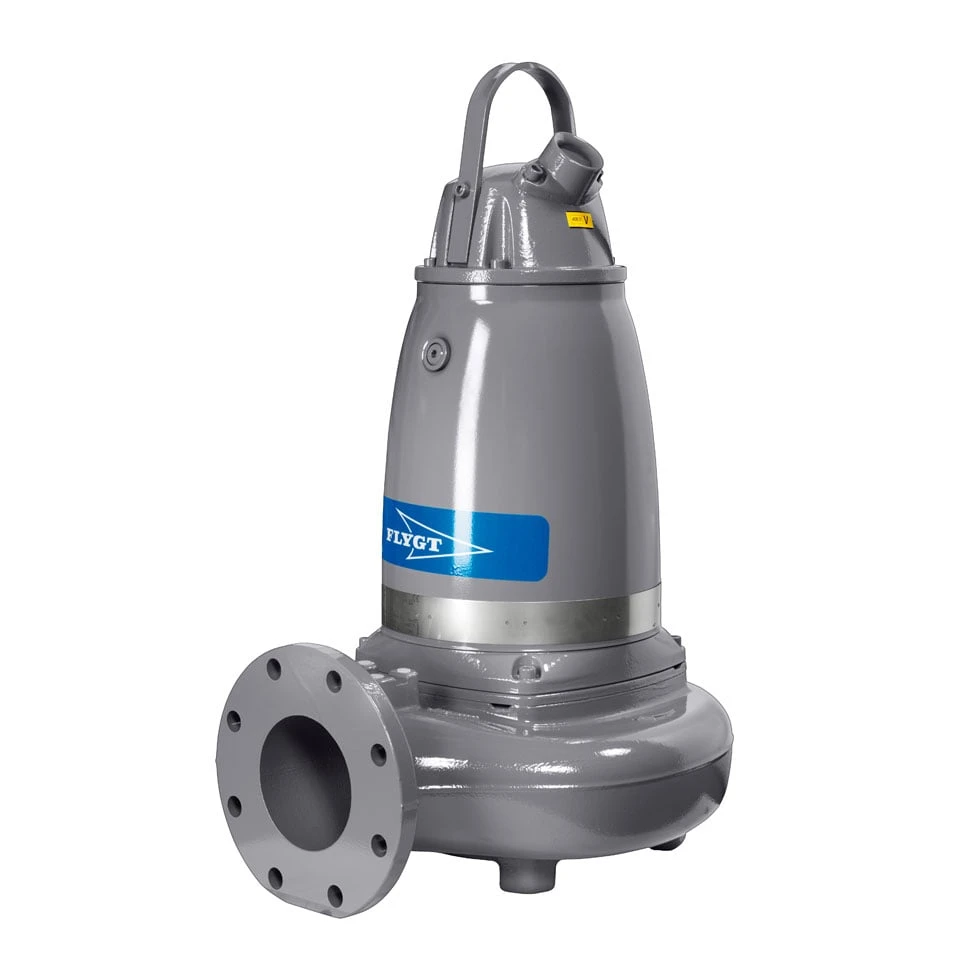
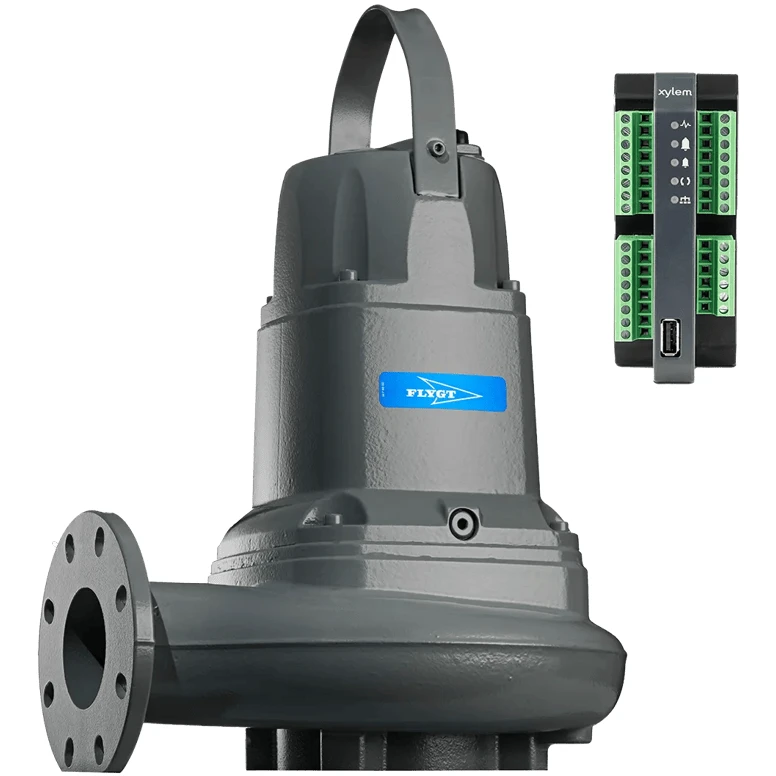
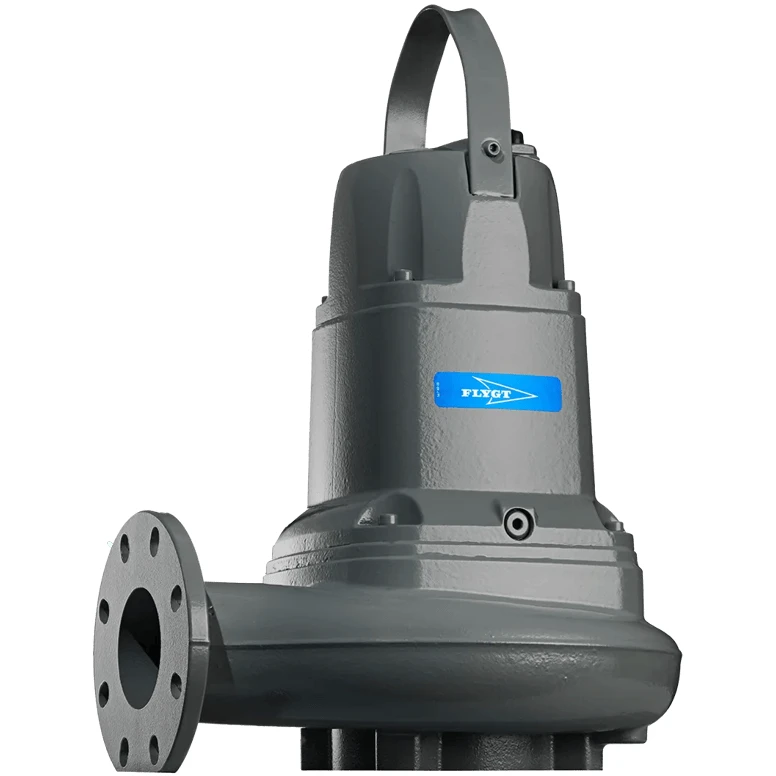
The N family offers hydraulic, motor and installation options. Concertor takes a system approach that combines the pump, motor and control functions. In both cases, check the curve and application limits of the selected configuration. A family’s maximum flow and maximum head must not be treated as a simultaneously available duty point.
Compare hydraulics and automation separately
Self-cleaning hydraulics do not guarantee removal of every blockage mechanism in a station. Poor inlet arrangements, check-valve problems and insufficient pipe velocity need separate investigation. For controls, document the existing panel, communication protocol, level measurement and the operator’s alarm response. Concertor DP, N and XPC represent different control arrangements; do not assume identical functions across all options.
When retaining existing automation, define the integration scope explicitly. For new station management, include sensors, communications, standby operation and service access alongside the pump replacement. Comparable quotations need the same scope.
| Criterion | Required evidence | Effect on the decision |
|---|---|---|
| Hydraulic duty | System curves at minimum, normal and peak flow | Identifies the suitable operating range |
| Wastewater composition | Fibre, grit and grease observations | Affects impeller and material selection |
| Control scope | Panel and signal list | Defines integration work |
| Maintenance burden | Intervention frequency and recorded duration | Supports life-cycle assessment |
Worked example: daily kWh is insufficient
For an illustrative comparison, assume two arrangements operate at similar head. Arrangement A moves 576 m³ per day using 96 kWh, while B moves 540 m³ using 88 kWh. Specific energy is 96 / 576 = 0.1667 kWh/m³ for A and 88 / 540 = 0.1630 kWh/m³ for B. Daily energy differs by approximately 8.3%, while the volume-normalised difference is approximately 2.2%.
These figures are not test results for any Flygt model. They demonstrate why systems doing different amounts of work cannot be compared directly. A real assessment should match head, wastewater loading, standby consumption and measurement duration. Meter uncertainty can affect the interpretation of small differences.
Manufacturer case: Heathrow
Xylem’s 2024 Heathrow Airport Concertor case report states reductions of 53% in energy consumption and 87.5% in cleaning and site-attendance costs in its assessment. This is a real application reported by the manufacturer; it is not presented as a Parla Proses customer project.
The report illustrates the value of considering maintenance and energy together. Its percentages cannot be transferred to another facility because starting conditions, station geometry and operation differ. Expectations for an investment should be based on that facility’s measured baseline and the defined scope of the proposed system.
Include redundancy and maintenance access
The arrangement that reduces overflow risk during a pump failure depends on more than the product family. Assess standby capacity, power-loss scenarios, high-level alarms and response time together. State explicitly which functions remain available if a controller fails. Include balanced running hours, periodic functional checks and retained records in the operating plan.
Check lifting equipment, guide-rail connections and service space for removal. Safe maintenance access remains necessary even when fewer interventions are expected. Handover documents should make the electrical and mechanical teams’ responsibilities clear.
Prepare the selection information package
A useful starting package includes the existing nameplate, wet-well section, rising-main length and diameter, level settings and, where available, several weeks of operating records. Include normal days and periods of changing load. Request the proposed configuration, operating range, control interfaces and site verification method together. This turns the decision into a measurable station improvement rather than simply a change of product name.
Frequently asked questions
Does an N pump operate without automation?+
No. An N pump uses a suitable panel and controls. The comparison concerns how control functions are arranged in the selected system and integrated with the existing facility.
Does Concertor deliver the same savings everywhere?+
No. Baseline efficiency, flow profile, head and maintenance conditions affect the result. Manufacturer case percentages are site-specific; a new project requires measurement and assessment.
Must the existing panel always be replaced?+
This depends on panel suitability and the selected control configuration. Define replacement scope only after checking signals, electrical protection, communications and failure scenarios.
Which operating data should I use for comparison?+
Collect pumped volume, energy, head and intervention records for the same period. Interpret kWh/m³ alongside the duty conditions rather than relying only on motor nameplates.
Apply this assessment to your project.
Share your operating conditions, existing equipment and objective. Let’s assess product selection together with the technical documents.